When I first started looking into EMF radiation, I honestly thought it was all the same stuff. Like, electromagnetic fields are electromagnetic fields, right? Wrong. I learned this the hard way when I bought my first EMF meter and couldn’t figure out why it wasn’t picking up readings from my wifi router.
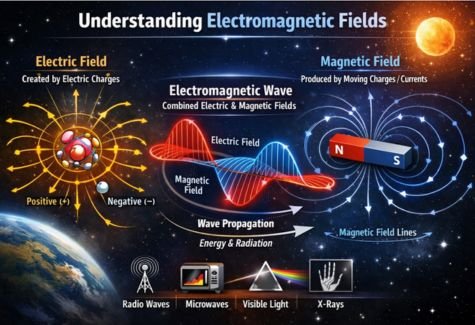
Turns out there’s three main types of EMF that you need to know about, and they each behave completely differently. Understanding this will save you a ton of confusion and probably some money too.
Radio Frequency (RF) Radiation
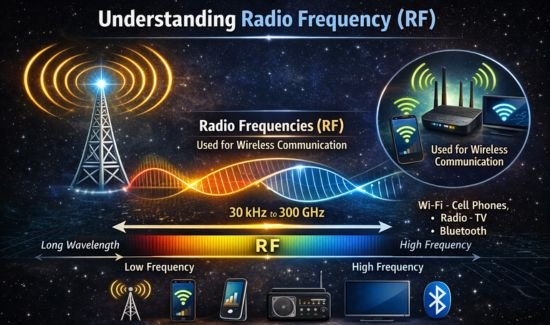
This is the stuff that comes from anything wireless. Your cell phone, wifi router, baby monitors, smart meters, bluetooth devices – basically anything that sends signals through the air without wires is putting out RF radiation.
What tripped me up at first was that RF radiation travels in waves at really high frequencies. We’re talking millions to billions of cycles per second, which is why they call it “radio frequency.” The thing is, this type of EMF can penetrate walls and travel pretty far from the source.
I remember testing my bedroom and being shocked that my neighbor’s wifi was showing up stronger than my own router downstairs. RF doesn’t care about your property lines, which is kind of frustrating when you’re trying to create a low-EMF space.
The measurement for RF is usually in milliwatts per square meter (mW/m²) or microwatts per square meter (μW/m²). Most experts suggest keeping levels below 1,000 μW/m² in your home, though some people who are more sensitive aim for under 100 μW/m².
Extremely Low Frequency (ELF) Radiation
This one was confusing for me because the name doesn’t really tell you where it comes from. ELF radiation is what you get from anything that uses electrical current – so basically everything plugged into your walls.
Your refrigerator, laptop charger, electric alarm clock, hair dryer, and all your appliances create ELF fields. The frequency here is way lower than RF, usually around 50-60 Hz (that’s cycles per second, not millions like RF). In the US it’s 60 Hz because that’s how our electrical grid operates.
Here’s what I wish someone had told me earlier: ELF fields drop off really quickly with distance. Like, you can be getting a reading of 50 milligauss right next to your alarm clock, but move three feet away and it might be down to 2 milligauss. This was a huge relief when I realized I didn’t need to get rid of everything electric in my house.
The Swedish standard recommends keeping ELF exposure below 2.5 milligauss in areas where you spend a lot of time. Some building biologists go even stricter and say aim for under 1 milligauss in bedrooms.
One mistake I made was testing things while they were off. ELF fields only happen when electricity is actually flowing through a device, so if something is plugged in but turned off, you might not get accurate readings.
Magnetic Fields (From DC Current)
This is the third type and honestly the one that gets talked about least. Magnetic fields can come from DC (direct current) sources, but they also overlap with ELF in some ways which makes it confusing.
Things like improperly grounded electrical systems, metal bed frames near electrical outlets, and even issues with your home’s wiring can create persistent magnetic fields. I had elevated readings in my bedroom for weeks before I figured out the metal box spring was sitting right over an outlet and acting like an antenna basically.
The tricky part with magnetic fields is they can be harder to track down than RF or ELF. You might get a high reading in one spot and have no idea what’s causing it. It took me hiring an electrician to discover my home had a grounding issue that was creating magnetic fields throughout one wall.
Why This Actually Matters
Look, I’m not here to freak anyone out about EMF exposure. But knowing the difference between these three types changed how I approached reducing EMF in my home.
For RF, the solution is usually about distance and turning things off when you’re not using them. I hardwired my internet and keep my phone on airplane mode at night. Simple stuff.
For ELF, it’s about moving away from sources and unplugging things near where you sleep or work. Moving my alarm clock from 6 inches away to 3 feet away dropped my exposure significantly.
And for magnetic fields, sometimes you need to dig deeper and look at your home’s electrical system or the metal objects near electrical sources.
The biggest lesson I learned is that you need different meters to measure different types of EMF. That first meter I bought only measured one type, which is why I was getting incomplete information. If you’re serious about measuring EMF levels in your home, you’ll want a meter that can detect all three types, or be prepared to buy separate meters for each.
Most people start with RF because that’s what’s gotten the most attention lately with 5G and everything. If you’re looking for specific meter recommendations, check out my reviews of the best EMF detectors to find one that fits your budget and needs. But don’t ignore ELF and magnetic fields – they’re just as important to understand, especially if you’re spending 8 hours a night sleeping in an electric field without realizing it.
If you’re ready to start measuring EMF in your home, I put together a complete EMF meter guide for testing and protecting your home that walks you through the whole process step-by-step.